

MDM vs endpoint management: what changed and...
13 August 2026If you have managed enterprise devices for more than five years, the category name for what you do has changed at least three times, from MDM (mobile device management) to…
Read more
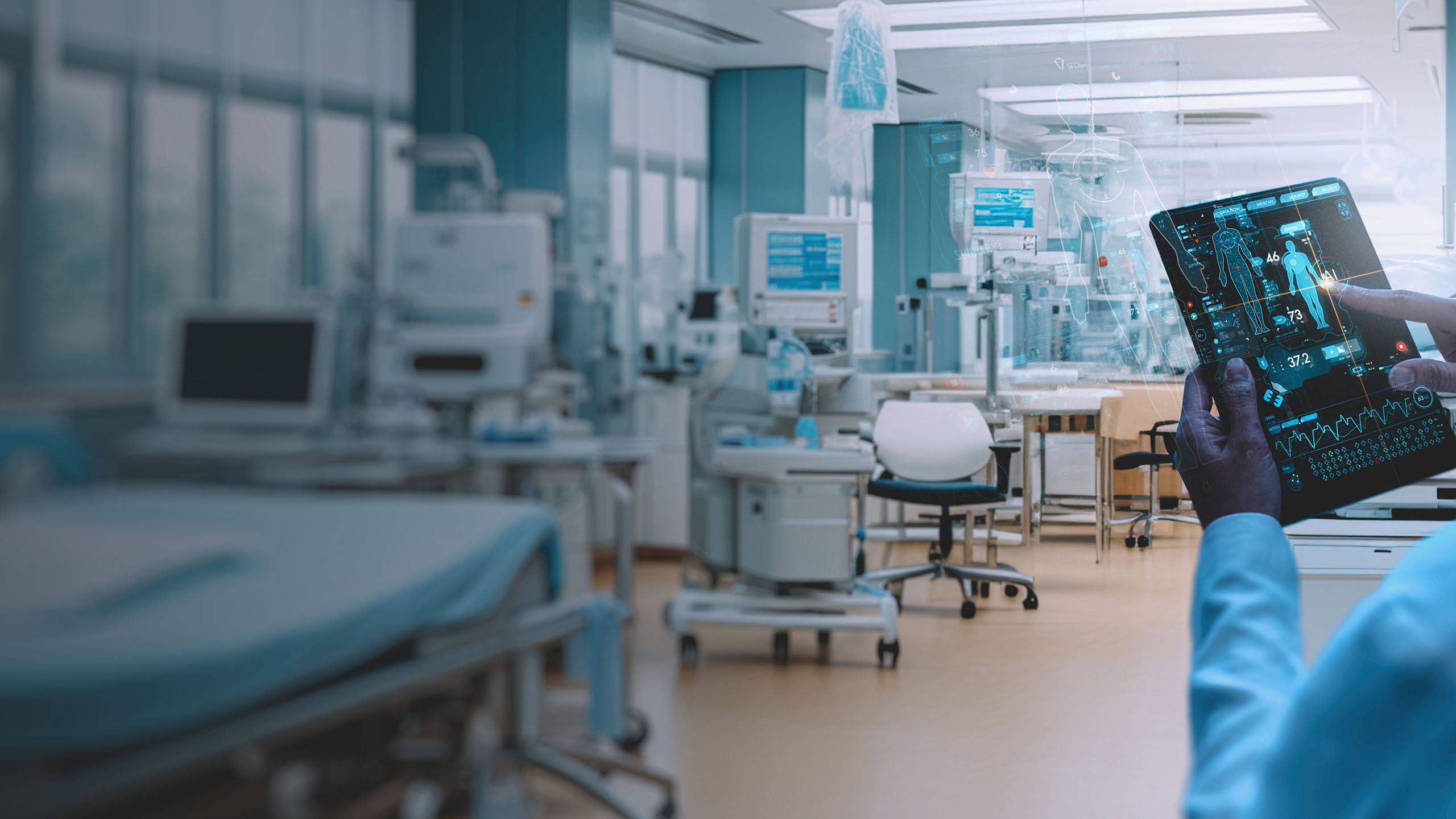
PiiComm’s Healthcare mobility services improve patient outcomes and safety by automating administration, medication tracking, and patient identification through secure barcode and RFID technology.
See how a major pediatric hospital solves real problems with flexible mobility. Read our Healthcare Case Study to learn more.
PiiComm supports the entire lifecycle of clinical mobile technology, ensuring nurses and doctors have reliable, compliant tools 24/7:
Manual data entry is the leading cause of preventable medical errors. PiiComm’s scanning solutions enforce the “Five Rights” of medication administration (Right Patient, Drug, Dose, Route, Time) at the bedside. By integrating medical-grade scanners with your Electronic Health Record (EHR) system, we help hospitals achieve a near-zero error rate in medication delivery and specimen collection.
Secure, error-proof admission processes start with the wristband. We deploy mobile printers and scanners that generate durable, antimicrobial wristbands at the point of admission. This ensures that every clinical interaction—from blood draws to surgery—matches the physical patient to their digital record with 100% accuracy.
Extend care beyond the hospital walls. We provision and secure healthcare tablets for telemedicine carts and remote home care providers. With cellular connectivity and hardened security profiles, these devices allow specialists to consult virtually while protecting sensitive Patient Health Information (PHI) over any network.
| Capability | PiiComm Managed Healthcare Mobility | Standard IT / Consumer Devices |
|---|---|---|
| Sanitization |
Disinfectant-ready housings compliant with medical cleaning protocols.
|
Consumer plastics degrade/crack under hospital disinfectants.
|
| Data Security |
HIPAA/PHIPA Compliant MDM with remote wipe and encryption.
|
Basic passwords; high risk of non-compliance if lost.
|
| Battery Life |
Hot-swappable batteries for 24/7 continuous clinical shifts.
|
Dies mid-shift; requires plugging into wall chargers.
|
| Wi-Fi Roaming |
Fast-roaming radios maintain session persistence in elevators/hallways.
|
Drops connection when moving between rooms/floors.
|
| Device Failure |
Next-Day "Spare-in-the-Air" replacement delivered to the nursing station.
|
Weeks for repair; nurse leaves unit to find IT support.
|
| Provisioning |
Zero-Touch Deployment; out-of-box ready for medical use.
|
Manual setup by hospital IT staff (high overhead).
|
If you have managed enterprise devices for more than five years, the category name for what you do has changed at least three times, from MDM (mobile device management) to…
Read moreEndpoint management is the discipline of discovering, configuring, patching, securing, and maintaining every device that touches your data: laptops, smartphones, rugged scanners, kiosks, IoT sensors, and now virtual desktops. If…
Read moreChain of custody is a continuous, documented record of every person or entity that has physical possession of a device — from the moment it leaves active use to the…
Read moreMost certificates of data destruction that Canadian enterprises receive from their device disposal vendors would not survive an audit. A proper certificate must tie a specific destruction method to a…
Read moreManaged Mobility Services (MMS) improve patient safety by ensuring clinical devices are always working and secure. For hospitals, this means streamlined communication (VoIP/Text), improved patient engagement via tablets, enhanced clinical workflows through reliable mobile chart access, and strict compliance with healthcare data regulations.
Yes. PiiComm provisions secure medical tablets and mobile carts specifically for telehealth. We enable virtual consultations and remote vital sign monitoring by ensuring devices have reliable cellular/Wi-Fi connectivity and locked-down software environments that prevent misuse while protecting patient privacy.
We implement defense-in-depth security strategies including Enterprise Mobility Management (EMM) policies, device-level encryption (FIPS 140-2), multi-factor authentication (MFA), and automated remote data wiping. This ensures that if a device is lost or stolen, Patient Health Information (PHI) remains inaccessible, maintaining HIPAA and PHIPA compliance.
Yes. Our managed devices are configured to interoperate seamlessly with major Electronic Health Record (EHR) platforms like Epic, Cerner, and Meditech. This allows for real-time barcode scanning data to feed directly into patient records, reducing transcription errors and latency in care coordination.
By deploying Clinical Communication and Collaboration (CC&C) tools on rugged smartphones. We enable secure text messaging, Push-to-Talk (PTT), and VoIP calls on a single device, replacing legacy pagers and reducing alarm fatigue through intelligent alert routing.
Absolutely. We handle the entire lifecycle of the device fleet. This includes strategic sourcing of medical-grade hardware, kitting and staging devices with clinical apps, 24/7 help desk support for nurses and doctors, and managing repairs/spares to ensure clinical staff are never without their required technology.